Loading...
Loading...
Loading...
Post‑Traumatic Stress Disorder (PTSD) is a serious mental‑health condition that can develop after experiencing or witnessing overwhelming stress, fear, or trauma. It affects emotional stability, sleep, concentration, relationships, and daily functioning.
PTSD involves persistent emotional and physical reactions to past traumatic events. Symptoms may include intrusive memories, nightmares, hypervigilance, avoidance, emotional numbness, or sudden waves of fear. Homoeopathy views PTSD as a deep disturbance in the vital force, where the body and mind remain stuck in a heightened stress pattern. Instead of treating only the symptoms, homoeopathy aims to understand the person’s unique emotional triggers, physical reactions, sleep patterns, fears, and constitutional tendencies.

Homoeopathic management focuses on strengthening resilience, reducing sensitivity to triggers, and supporting emotional recovery. Remedies are chosen based on the individual’s complete profile—not the diagnosis alone. Supportive goals may include: Calming heightened stress responses Supporting sleep and reducing nightmares Improving emotional regulation Reducing fear, irritability, or overwhelm Supporting physical symptoms linked to trauma Encouraging smoother recovery alongside therapy Homoeopathy works best when combined with professional mental‑health care, counselling, and trauma‑informed support.
Learn more about this speciality and how our experts help you achieve better health outcomes.
Yes. Homoeopathic remedies are highly diluted and generally safe. They do not interfere with psychiatric medications
A homoeopath evaluates the person’s emotional triggers, physical symptoms, sleep patterns, fears, trauma history, and constitutional traits. Remedies are selected to match the whole-person experience, not just the PTSD label.
Connect with experienced doctors who specialize in treating this condition and receive professional medical guidance.
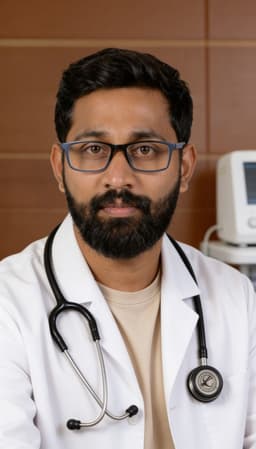
Qualifications: BHMS.(FMHMC), MSc Psychology and Counselling, PG Diploma in Guidance and Counselling, Diploma Interactive Drawing Therapy (IDT), Cognitive Behavioural Therapy (CBT), De‑addiction Training (NIMHANS).